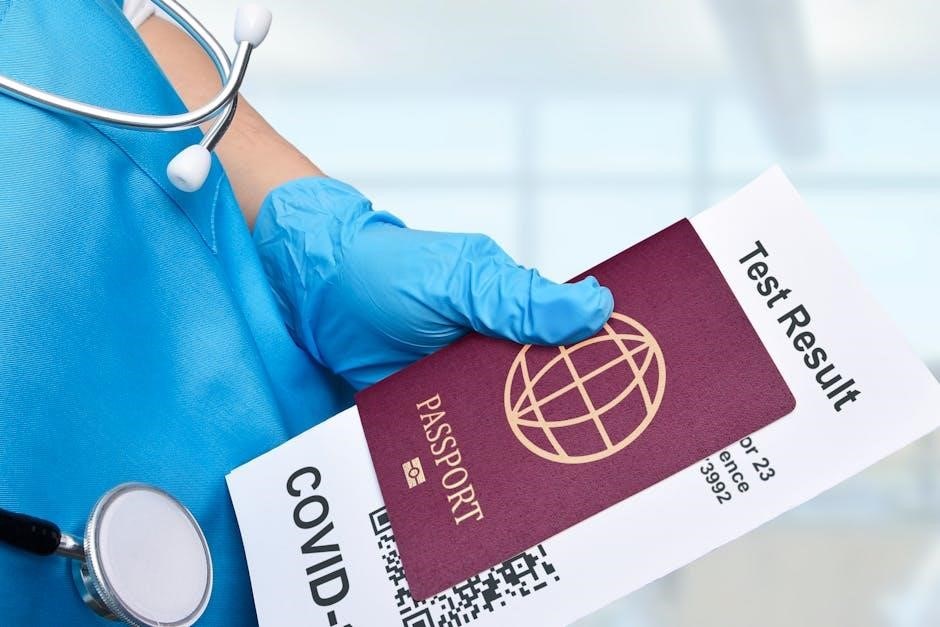
fake positive covid results pdf cvs
Understanding Fake Positive COVID-19 Results from CVS
Recent reports highlight concerns regarding potential inaccuracies in CVS COVID-19 test results, particularly focusing on PDF reports and claims of false positives․
Media scrutiny points to delays in test preparation as a contributing factor, alongside accusations of disinformation circulating online regarding pandemic data․
Facebook users have also reported account blocks due to “unusual activity” potentially linked to sharing or discussing these concerns․
The Context of COVID-19 Testing Concerns
The widespread reliance on COVID-19 testing, particularly through providers like CVS, has been accompanied by growing anxieties surrounding result accuracy․ Reports surfaced in May 2025, detailing accusations against media outlets for disseminating potentially misleading information about the pandemic, including testing protocols․
A key concern revolves around the potential for false positive results, fueled by reports of delays in test preparation impacting the reliability of CVS-administered tests․ Simultaneously, numerous Facebook users experienced account blocks, citing “unusual activity,” potentially linked to discussions about these disputed results and the PDF reports received․
These incidents highlight a broader context of distrust and misinformation surrounding COVID-19 data, prompting individuals to seek second opinions and question the validity of initial test findings․ The situation underscores the need for transparency and robust quality control measures in testing procedures․
CVS COVID-19 Testing: A General Overview
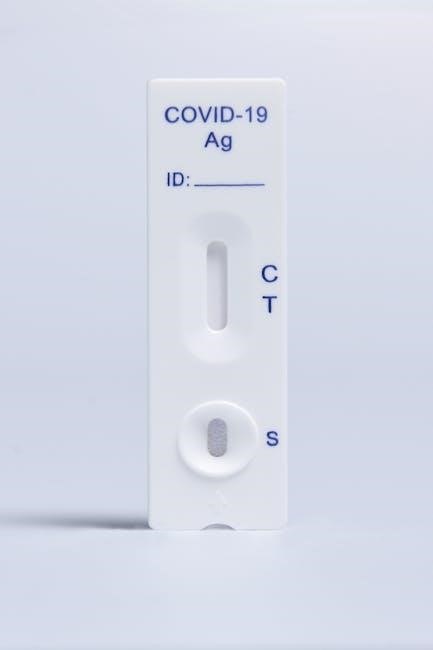
CVS offers various COVID-19 testing options, but recent concerns focus on the accuracy of results delivered via PDF reports and potential false positives․
Types of Tests Offered by CVS
CVS Health provides a range of COVID-19 testing services, including PCR tests, typically considered the gold standard for accuracy, and rapid antigen tests for quicker results․ PCR tests analyze a nasal swab sample to detect the virus’s genetic material, while antigen tests identify viral proteins․
These tests are available through various methods: drive-thru locations, in-store pharmacies (with appointments), and at-home collection kits․ The at-home kits require mailing the sample to a lab for processing, potentially introducing delays; Concerns regarding false positives have surfaced, particularly with reports delivered as PDF documents, prompting scrutiny of testing procedures and result interpretation․
Accuracy Rates and Potential for Errors
While PCR tests boast high accuracy, no test is perfect, and false positives can occur․ CVS states its tests meet FDA standards, but reports suggest potential issues․ Accuracy depends on factors like sample collection technique, lab processing, and prevalence of the virus in the community․
Errors can arise from contamination during sample handling or laboratory procedures․ Delays in test preparation, as reported in May 2025, may also contribute to inaccuracies․ Analyzing PDF reports is crucial, as interpretation of cycle threshold (Ct) values can indicate the likelihood of a true positive versus a false one․
Sources of False Positive Results
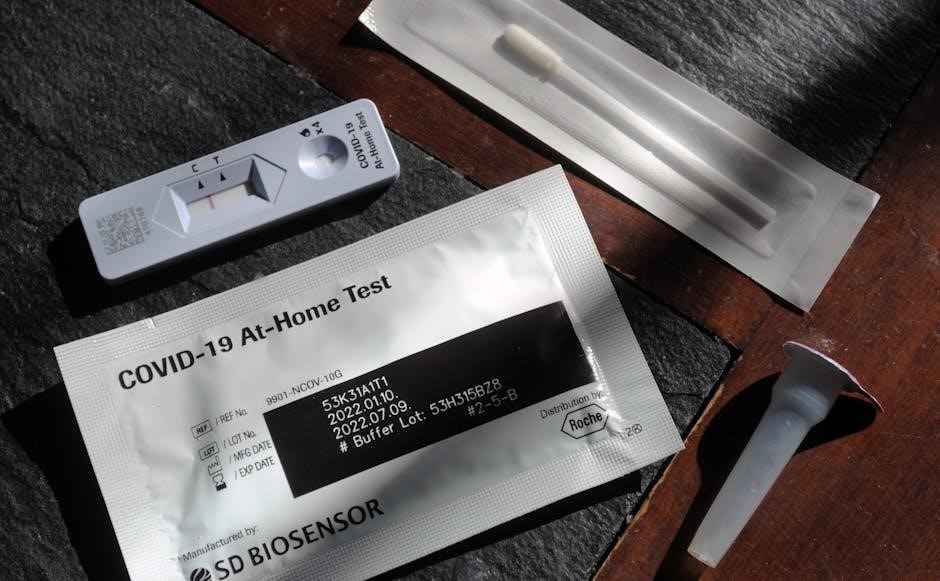
Laboratory errors and cross-reactivity with other viruses are potential causes of inaccurate CVS COVID-19 results, as highlighted by ongoing concerns and reports․
Laboratory Errors and Contamination
The potential for laboratory errors during COVID-19 test processing at CVS remains a significant concern when analyzing reported false positive results․ Contamination, whether through improper handling of samples or within the testing environment itself, can lead to inaccurate readings․
Delays in test preparation, as noted in recent media reports, could exacerbate these risks, potentially increasing the likelihood of sample degradation or cross-contamination․ Thorough quality control measures and adherence to strict protocols are crucial to minimize these errors․
Analyzing CVS PDF reports for inconsistencies or unusual data points may offer clues regarding potential laboratory issues, though definitive confirmation requires further investigation․
Cross-Reactivity with Other Viruses
A key factor contributing to false positive COVID-19 results, particularly with PCR tests used by CVS, is the potential for cross-reactivity with other viruses․ The tests are designed to detect the presence of the SARS-CoV-2 virus, but similar genetic material in other viruses can sometimes trigger a positive result․
This phenomenon can occur when the test mistakenly identifies viral RNA from a common cold or influenza strain as COVID-19, leading to an inaccurate diagnosis․ Careful interpretation of CVS PDF reports, considering the patient’s symptoms and recent viral exposures, is essential․
Understanding this possibility is crucial when evaluating claims of widespread false positives and seeking second opinions․

The Role of PCR Tests in False Positives
PCR tests, while highly sensitive, can yield false positives due to amplification of non-COVID viral RNA․ Ct values within CVS PDF reports are critical for accurate interpretation․
PCR Test Sensitivity and Amplification
PCR (Polymerase Chain Reaction) tests are renowned for their exceptional sensitivity in detecting viral genetic material․ This sensitivity, however, is a double-edged sword․ The process involves amplifying tiny amounts of RNA, essentially making copies of the genetic code to a detectable level․
While ideal for identifying even minimal viral loads, excessive amplification can inadvertently detect non-infectious viral fragments or even RNA from other sources․ This is particularly relevant when considering the context of CVS COVID-19 testing and the potential for false positive results reflected in their PDF reports․ The more cycles of amplification performed, the greater the risk of amplifying background noise alongside the target virus․
Understanding this amplification process is crucial when interpreting the results, especially when evaluating the associated Ct values, which indicate the number of cycles needed to detect the virus․
Cycle Threshold (Ct) Values and Interpretation
The Cycle Threshold (Ct) value, prominently displayed on CVS COVID-19 test PDF reports, is a critical metric for assessing result validity․ It represents the number of PCR cycles required to detect the virus’s genetic material․ Lower Ct values (typically below 30-35) generally indicate higher viral loads and a stronger positive result․
However, higher Ct values (above 35) suggest minimal viral RNA present, raising concerns about potential false positives․ This is because, as previously discussed, extensive amplification can detect non-infectious fragments․ Interpreting these higher Ct values requires caution, as they may not correlate with active infection․
Analyzing Ct values in conjunction with clinical symptoms is essential when evaluating the accuracy of a CVS test result and determining appropriate next steps․
Analyzing PDF Reports from CVS
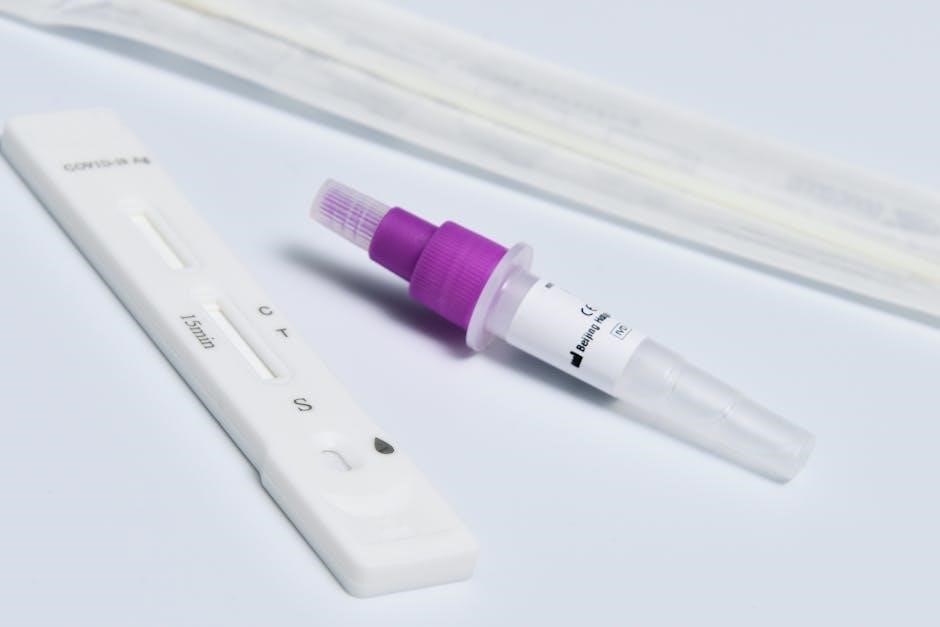
CVS COVID-19 test PDF reports contain vital data, including specimen date, result, and crucially, the Cycle Threshold (Ct) value for accurate assessment․
Careful review of these key data points is essential when questioning result validity․
Understanding the Information Presented in the PDF
The CVS COVID-19 test PDF report is a crucial document for understanding your test result․ It typically includes identifying information, the date the sample was collected, and the date the report was issued․ Most importantly, it details the test result itself – positive, negative, or inconclusive․ However, interpreting the accuracy requires a deeper dive․
Pay close attention to the section detailing the PCR test results․ This will often include a “Cycle Threshold” (Ct) value․ This value indicates the number of cycles required to amplify the viral RNA․ Lower Ct values generally suggest a higher viral load, while higher values may indicate a very small amount of viral material, potentially leading to questions about the validity of a positive result․
Understanding these components empowers you to assess the report critically and discuss any concerns with healthcare professionals or CVS customer support․
Identifying Key Data Points for Accuracy Assessment
When scrutinizing a CVS COVID-19 test PDF for potential inaccuracies, several data points are critical․ First, verify the sample collection and report issuance dates; significant delays can compromise result reliability․ Secondly, meticulously examine the PCR test results section, focusing on the Cycle Threshold (Ct) values․
Higher Ct values (typically above 35-40) are often associated with a lower viral load and increased risk of a false positive․ Note any discrepancies or missing information within the report․ Also, consider if you were asymptomatic when tested, as false positives are more common in individuals without symptoms․
These data points, when combined with your personal health context, can help you evaluate the report’s accuracy and determine if further investigation is warranted․
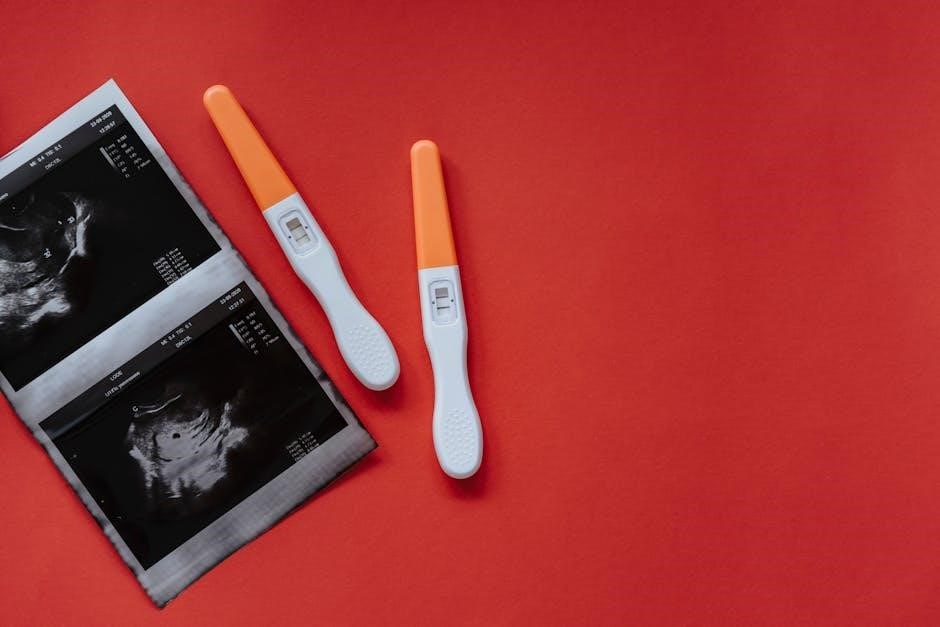
Investigating Claims of Widespread False Positives
Numerous media reports and online discussions allege widespread false positive COVID-19 results from CVS, fueled by concerns over testing delays and potential disinformation campaigns․
Media Reports and Accusations of Disinformation
Several media outlets have faced accusations of disseminating inaccurate information, including regarding the COVID-19 pandemic and the reliability of testing procedures․ Specifically, reports surfaced in May 2025 highlighting delays in the preparation of COVID-19 tests, potentially impacting result accuracy․
These delays, coupled with the complex nature of PCR testing, have fueled speculation about false positive rates․ Simultaneously, concerns arose regarding the spread of disinformation online, particularly on platforms like Facebook, where accounts were reportedly blocked due to “unusual activity” potentially linked to discussions about test result validity․
The intersection of testing issues and online misinformation creates a challenging landscape for public understanding and trust in health information․
Delays in Test Preparation and Impact on Results
Reports from May 20, 2025, specifically pinpointed delays in the preparation of COVID-19 tests as a significant concern impacting the accuracy of results provided by CVS․ These delays introduce opportunities for errors, potentially leading to inaccurate readings and, consequently, false positive identifications․
The time elapsed between sample collection and processing can affect sample integrity, increasing the risk of contamination or degradation․ This is particularly relevant with PCR tests, where even minor variations can influence amplification and result interpretation․
Prolonged delays may compromise the reliability of the PDF reports issued by CVS, raising questions about the validity of positive diagnoses․
What to Do If You Suspect a False Positive
If a CVS PDF report indicates a positive result but is questioned, seek a confirmatory test from an alternative provider․ Contact CVS customer support for clarification․
Seeking a Second Opinion with a Different Test
When questioning a positive COVID-19 result from a CVS test, obtaining a second opinion is a crucial step․ Consider utilizing a different testing method, such as a PCR test administered by a local healthcare provider or a different pharmacy․ This helps validate the initial finding and reduces the likelihood of relying on a potentially inaccurate result․
Different labs and testing procedures can offer a more comprehensive assessment․ Ensure the second test is performed independently of CVS to eliminate potential biases․ Document both test results, including the CVS PDF report and the new test documentation, for your records and potential discussions with healthcare professionals․ This proactive approach empowers you to make informed decisions about your health and well-being․
Contacting CVS Customer Support
If you suspect a false positive COVID-19 result from CVS, directly contacting their customer support is a vital step․ Prepare your CVS test PDF report and any supporting documentation before reaching out․ Be ready to clearly articulate your concerns and provide specific details about the test date, location, and any discrepancies you’ve identified․
CVS customer support can investigate the matter and potentially offer clarification regarding your results․ While they may not be able to immediately overturn the outcome, they can initiate a review process․ Document the date, time, and details of your conversation, including the representative’s name and any reference numbers provided․ This creates a record of your attempt to resolve the issue․
Facebook Account Issues Related to COVID-19 Information
Users discussing CVS COVID-19 test results, including PDF reports and potential false positives, have reported unexpected account blocks due to “unusual activity”․
Account Blocks Due to “Unusual Activity”
Numerous Facebook users have experienced account restrictions following posts or engagement with content concerning CVS COVID-19 test results, specifically those analyzing PDF reports․ These blocks are often triggered by Facebook’s system detecting “unusual activity,” leaving users unable to access their accounts․
The platform’s automated systems seem to flag discussions surrounding potential false positives and delays in test preparation as suspicious․ Users report receiving messages indicating a need to verify their identity, but access remains restricted for extended periods․ This has fueled concerns about censorship and suppression of information related to testing accuracy․
Some speculate that these blocks are a result of algorithms misinterpreting legitimate discussions as the spread of misinformation, particularly given the broader context of media scrutiny regarding pandemic-related narratives․
Dissemination of Misinformation on Facebook
Alongside account blocks, Facebook has struggled with the spread of misinformation regarding CVS COVID-19 test results and the interpretation of PDF reports․ Claims of widespread false positives have circulated widely, often lacking verifiable evidence, yet gaining traction within certain online communities․
This misinformation frequently centers around accusations that testing labs, including those utilized by CVS, intentionally inflated positive case numbers․ These narratives often exploit anxieties surrounding the pandemic and distrust in public health institutions․ The platform’s efforts to moderate such content have been inconsistent, leading to further concerns․
The rapid dissemination of unverified claims highlights the challenges Facebook faces in balancing free speech with the need to combat harmful disinformation, especially concerning critical health information․

Protecting Your Facebook Account Security
Given recent account issues, remotely log out of Facebook sessions on unfamiliar devices and promptly recover your password if you suspect unauthorized access․
Remote Log-Out of Facebook Sessions
If you’re concerned about unauthorized access to your Facebook account, especially amidst discussions surrounding potentially inaccurate COVID-19 test results and related information sharing, proactively logging out of all active sessions is crucial․ Facebook provides a feature allowing you to remotely terminate access from any device․
To do this, navigate to your Facebook settings, then to “Security and Login․” Within this section, locate the option to review active sessions․ You’ll see a list of devices currently logged into your account․
Select “Log Out All Sessions” to instantly end all active connections, enhancing your account’s security and preventing potential misuse, particularly if you suspect your account has been compromised due to engaging with sensitive topics․
Password Recovery Options
If you’ve lost access to your Facebook account, potentially after being flagged for “unusual activity” while discussing concerns about CVS COVID-19 test results or PDF report discrepancies, recovering your password is the first step․ Facebook offers several recovery methods to regain access․
You can initiate password recovery by clicking the “Forgot password?” link on the login page․ Facebook will then prompt you to enter your email address, phone number, or username associated with the account․
Follow the on-screen instructions, which may involve receiving a code via email or SMS to verify your identity․ Ensure you check your spam or junk folders if you don’t receive the code promptly․ Successfully verifying your identity will allow you to reset your password․

Resources for Further Information
Consult the CDC’s official guidelines for COVID-19 testing protocols and accuracy․ Additionally, CVS Health provides detailed information regarding their testing procedures and result interpretation online․
Official CDC Guidelines on COVID-19 Testing
The Centers for Disease Control and Prevention (CDC) offers comprehensive guidance on COVID-19 testing strategies, emphasizing the importance of understanding test limitations․ Their website details various testing methodologies, including PCR and antigen tests, outlining their respective sensitivities and specificities․
The CDC acknowledges the possibility of false positive results, though they are generally less common with PCR tests when performed correctly․ Guidance stresses the need to interpret results in the context of clinical presentation and potential exposure history․ Furthermore, the CDC provides resources for healthcare professionals regarding proper sample collection and laboratory procedures to minimize errors․ Accessing these guidelines is crucial for understanding the nuances of COVID-19 testing and interpreting CVS PDF reports accurately․
CVS Health COVID-19 Testing Information
CVS Health provides detailed information regarding its COVID-19 testing services on its official website, including explanations of the different test types offered and turnaround times․ The site features FAQs addressing common concerns, but specific details regarding potential false positive rates are less prominent․
CVS PDF reports contain crucial data, including cycle threshold (Ct) values, which can be indicative of viral load and potentially influence the interpretation of results․ However, understanding these values requires clinical expertise․ Customers experiencing concerns about their results are directed to CVS customer support for assistance, though reports suggest navigating this process can be challenging․ Accessing and carefully reviewing the CVS testing information is essential for informed decision-making․