
reward chart printable pdf
Reward charts, often available as printable PDFs, are versatile tools designed to encourage positive behaviors, track progress, and motivate individuals toward achieving goals. These charts serve as visual aids, helping users—especially children—understand expectations and celebrate accomplishments. Whether for educational milestones, behavioral improvements, or health-related habits, printable reward charts offer a structured yet flexible approach to fostering motivation. Their digital accessibility as PDFs ensures ease of customization and printing, making them a popular choice for parents, educators, and individuals seeking self-improvement. By leveraging the simplicity of visual tracking and the satisfaction of earning rewards, these charts create a positive feedback loop that supports long-term growth and accountability.
- Used across educational, behavioral, and health contexts.
- Enhance engagement through tangible goal representation.
- PDF format allows easy sharing, editing, and physical display.
As highlighted in recent studies, such tools align with motivational theories, reinforcing desired actions through immediate visual feedback and incremental rewards.
Definition and Purpose of Reward Charts
Reward charts are structured visual systems designed to link specific actions, achievements, or behaviors with tangible or symbolic incentives. At their core, these charts operate on a simple yet powerful principle: by associating desired outcomes with rewards, individuals are motivated to complete tasks, adopt positive habits, or meet goals. The chart itself typically includes a grid, list, or timeline that outlines expectations (e.g., daily chores, study hours, exercise routines) and the corresponding rewards (e.g., stickers, privileges, or tangible prizes) earned upon completion. This dual structure—combining clarity of expectations with immediate feedback—makes reward charts an effective tool for fostering accountability and progress tracking.
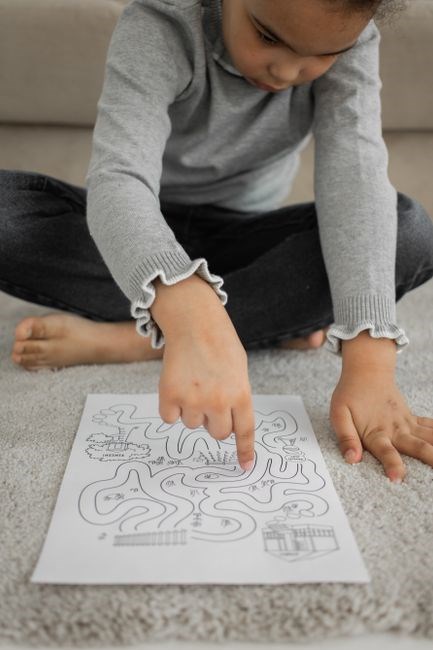
The primary purpose of reward charts is to translate abstract goals into concrete, achievable steps. For example, a child might earn a sticker for each night they brush their teeth, with a full chart redeemable for a special outing. Similarly, adults might use reward charts to motivate themselves to exercise regularly or maintain work-life balance. The system leverages psychological principles such as positive reinforcement and delayed gratification, encouraging users to associate effort with value; Historical examples, like community-led initiatives where volunteers receive recognition for contributions, highlight how reward charts can sustain long-term engagement. Modern digital platforms, such as Microsoft Rewards, further illustrate this concept by offering points for activities like browsing or shopping, which can be redeemed for gift cards or donations—mirroring the chart’s fundamental reward-for-effort mechanism.
- Behavioral Alignment: Shape routines by reinforcing consistency.
- Motivational Catalyst: Use rewards as drivers for initiating tasks.
- Progress Visualization: Provide a clear, evolving record of accomplishments.
- Personalization: Adapt rewards to individual preferences for greater impact.
Crucially, reward charts are not limited to material incentives. Intangible rewards, such as praise, privileges, or symbolic markers (e.g., stars), can be equally effective, especially in educational or developmental contexts. The flexibility of these charts allows them to be tailored to diverse audiences, from children to professionals, and applied across scenarios ranging from classroom management to personal fitness journeys. By transforming abstract goals into visible, actionable steps, reward charts empower users to take ownership of their progress while experiencing the satisfaction of incremental success.
As noted in behavioral studies, the effectiveness of reward charts lies in their ability to create a feedback loop: completing a task leads to a reward, which in turn motivates further action. This cyclical process not only accelerates goal attainment but also builds long-term habits. For instance, a volunteer program that recognizes consistent participation with certificates or public acknowledgment taps into the same psychological rewards as a printable chart, demonstrating the universal applicability of this motivational framework. Whether used in personal development, team management, or educational settings, reward charts remain a timeless tool for driving engagement and achievement.

Common Types of Reward Charts
Reward charts are designed to address diverse objectives. Educational charts focus on learning milestones, such as reading or homework completion. Behavioral charts target habit formation, like chores or emotional regulation, often using visual markers like stickers. Health and fitness charts encourage exercise, nutrition, or wellness goals. These categories provide tailored frameworks to motivate progress through achievable targets and meaningful incentives.
- Educational: Academic achievements and skill development.
- Behavioral: Positive habit tracking and conduct improvement.
- Health/Fitness: Physical activity and dietary milestones.

Modern adaptations, like digital platforms (e.g., Microsoft Rewards), extend these principles by offering redeemable points for activities, bridging traditional and contemporary motivational methods.
Educational and Learning-Focused Charts
Educational reward charts are tailored to reinforce academic achievements and skill development. These charts often target specific learning goals, such as completing homework, reading a set number of books, or mastering math problems. By breaking down complex objectives into manageable tasks, they provide clear milestones for students to strive toward. Visual elements like stickers, checkmarks, or progress bars serve as immediate feedback, fostering a sense of accomplishment and encouraging consistent effort.
- Reading Goals: Track daily reading minutes or book completion.
- Math Proficiency: Reward correct answers or completed exercises.
- Study Habits: Incentivize consistent preparation for exams.
- Language Learning: Acknowledge vocabulary acquisition or grammar milestones.
These charts are particularly effective in classroom settings or homeschool environments, where structured feedback helps students stay motivated. Parents and teachers often customize them to align with curricular objectives or individual learning paces. For instance, younger children might earn stickers for completing alphabet worksheets, while older students could track essay drafts or project deadlines. The adaptability of printable PDFs allows for easy modification of templates to suit age groups or subjects. Integrating rewards like extra playtime, special privileges, or small prizes further enhances engagement. Research indicates that such visual tracking systems align with motivational theories, reinforcing positive associations with learning and reducing resistance to academic tasks.
Digital platforms, such as Microsoft Rewards, extend these principles by offering points for educational activities like quizzes or skill-building games, which can be redeemed for rewards. This blend of traditional and modern approaches underscores the versatility of learning-focused charts in nurturing a lifelong love for education.
Behavioral and Habit-Tracking Charts
Behavioral and habit-tracking reward charts are instrumental in fostering consistency and positive routine adherence. These tools help individuals, particularly children, address specific behaviors such as completing chores, maintaining bedtime routines, or practicing good hygiene. By visually documenting progress, these charts create accountability and reinforce self-discipline. Parents and educators often utilize them to reward incremental achievements, transforming small wins into lasting habits.
- Chore Completion: Monitor tasks like making beds or cleaning rooms.
- Screen Time Management: Encourage balanced digital habits or reduced device usage.
- Emotional Regulation: Reward calm responses to frustration or anger.
- Social Skills: Incentivize sharing, kindness, or effective communication.
Printable PDF templates offer flexibility, allowing customization for age groups or specific goals. For example, younger children might earn stickers for daily toothbrushing, while teens could track punctuality or responsibility tasks. Rewards often include privileges like extra playtime, family outings, or preferred activities, which motivate continued engagement. Over time, this system internalizes desired behaviors, reducing reliance on external incentives. The volunteer reward system mentioned in recent studies mirrors this approach, using recognition to sustain momentum and encourage consistent participation.
Key to their effectiveness is the combination of visual tracking and immediate feedback. Charts often feature checkmarks, color-coding, or progress bars that provide tangible evidence of effort. This aligns with motivational theories emphasizing the power of incremental achievements. For instance, a chart tracking a child’s morning routine (e.g., getting dressed, eating breakfast) might unlock a special activity after completing all tasks for a week. Such structured reinforcement not only builds habits but also fosters a sense of autonomy and pride in personal growth.
Health and Fitness Motivation Charts

Health and fitness motivation charts are essential tools for individuals aiming to establish or maintain healthy lifestyles. These printable PDF charts help users track daily activities such as exercise routines, hydration levels, nutrition intake, and sleep patterns. By visualizing progress, individuals can stay motivated to meet short-term goals while working toward long-term wellness objectives. The structured format of these charts allows for clear milestones, making it easier to celebrate small victories like completing a weekly workout plan or adhering to a balanced diet.
- Daily Exercise Tracking: Log workouts, steps, or active minutes to maintain consistency.
- Nutrition Monitoring: Record healthy meals, portion control, or hydration targets.
- Weight Management: Chart progress toward weight loss, muscle gain, or body measurements.
- Mental Wellness: Incorporate mindfulness practices, meditation, or stress-reduction activities.
Customizable PDF templates enable users to tailor charts to specific goals, such as training for a marathon, reducing sugar intake, or improving sleep hygiene. Rewards for achieving milestones might include non-food treats like new workout gear, a spa day, or extra leisure time. The system mirrors concepts seen in programs like Microsoft Rewards, where consistent participation earns redeemable points, fostering a sense of accomplishment and encouraging sustained effort. For instance, completing a week of daily 30-minute workouts could unlock a reward, reinforcing the habit through positive reinforcement.
Visual elements like progress bars, color-coded sections, or sticker placements enhance engagement, particularly for those who respond well to tangible feedback. These charts also serve as accountability tools, helping users identify patterns or setbacks. For example, a hydration tracker might reveal consistent afternoon slumps in water intake, prompting adjustments. Over time, this method not only builds healthier habits but also cultivates self-awareness and discipline, aligning with the motivational principles of incremental achievement and reward-based learning.
Enhancing Motivation and Positive Behavior
Printable reward charts are powerful tools for fostering motivation and reinforcing positive behaviors through structured visual feedback. By transforming abstract goals into tangible, trackable tasks, these charts leverage psychological principles such as operant conditioning and goal-setting theory. Each checked box or sticker applied to the chart serves as an immediate reinforcer, creating a sense of accomplishment that encourages repetition of desired actions. This mechanism is particularly effective in educational and behavioral contexts, where consistent effort often precedes visible outcomes.
- Immediate Reinforcement: Visual markers (e.g., stars, checkmarks) provide instant acknowledgment of progress, sustaining engagement.
- Goal Visualization: Breaking larger objectives into smaller, achievable steps reduces overwhelm and builds confidence.
- Positive Reinforcement: Rewarding effort—not just results—cultivates a growth mindset and resilience in the face of challenges.
For instance, Microsoft Rewards exemplifies this approach, where users earn points for activities like browsing or gaming, which can be redeemed for tangible benefits. Similarly, volunteer programs use reward systems to maintain enthusiasm, as seen in initiatives where milestones unlock recognition or incentives. The transparency of printable charts also fosters accountability, as individuals or groups can openly monitor their progress, creating a social or personal commitment to continued improvement.
Studies indicate that such systems enhance self-efficacy by linking effort to outcomes, making them effective for children and adults alike. Whether applied to academic tasks, habit formation, or team projects, reward charts create a feedback loop where small wins accumulate into lasting behavioral change.
Visual Progress Tracking for Users
Visual progress tracking is a cornerstone of reward chart printable PDFs, offering users a clear, immediate way to monitor achievements and stay engaged with their goals. By translating actions into visual elements—such as checkmarks, color-coded progress bars, or accumulating stickers—these charts provide a dynamic and intuitive representation of effort over time. This visual feedback mechanism taps into the human brain’s preference for imagery over abstract data, making progress feel tangible and rewarding.
- Real-Time Feedback: Instant visual updates (e.g., filling a progress bar) reinforce actions and maintain user momentum.
- Clarity and Simplicity: Visual layouts eliminate ambiguity, ensuring users understand exactly what is required to reach milestones.
- Tangible Milestones: Physical or digital markers create a sense of accomplishment, even for small steps toward larger goals.

For example, platforms like Microsoft Rewards utilize dashboards where users visually track points earned through activities like browsing or gaming, which can be redeemed for rewards. Similarly, apps like FreeFire display item rewards in a dedicated vault tab, allowing players to monitor unlocks. In educational settings, students often use printable charts to track daily tasks, with each completed activity adding to a visual narrative of progress. This approach not only motivates but also helps users identify patterns, celebrate consistency, and adjust strategies when progress stalls.
The printable PDF format enhances this experience by allowing physical display—such as on a wall or fridge—where progress remains visible and reinforces accountability. Digital versions, meanwhile, offer interactive elements like clickable checkboxes or progress animations. Both formats leverage the universal appeal of visual storytelling, turning abstract goals into concrete journeys. Studies suggest that such visual tracking systems improve task adherence by up to 50%, as they reduce cognitive load and make progress emotionally satisfying.
Design Principles for Effective Charts
Effective reward chart design hinges on balancing aesthetics, functionality, and user engagement. Prioritize clarity by using clean layouts with minimal distractions—avoid overcrowding sections to prevent confusion. Organize tasks, goals, or behaviors into visual segments (e.g., grids, checklists, or progress bars) that are easy to follow; Incorporate color psychology strategically: warm colors like orange or red for energy, blues and greens for calmness, and contrasting hues to highlight achievements.
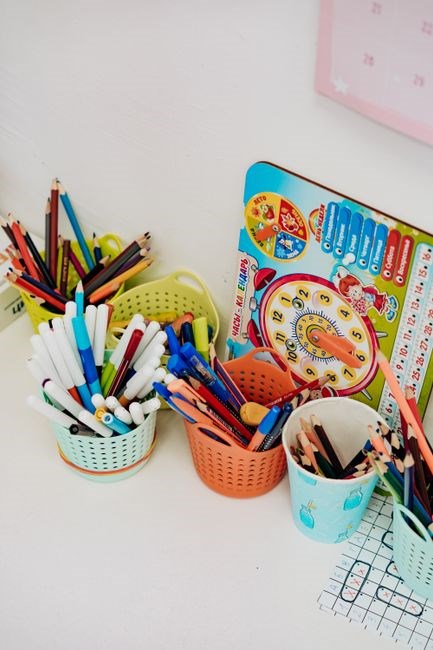
- Age Appropriateness: Tailor visuals to the user’s age—vibrant illustrations for children, minimalist designs for adults.
- Interactive Elements: Include checkboxes, stickers, or digital fillable fields for tangible progress tracking.
- Scalability: Ensure text and graphics remain legible when printed at various sizes.
Integrate reward tiers to maintain motivation—small milestones leading to larger rewards, as seen in systems like Microsoft Rewards. Use feedback mechanisms, such as completion badges or certificates, to reinforce achievements. For digital versions, enable personalization (e.g., name fields, customizable goals) to increase user investment. Always test designs for accessibility, ensuring readability for users with visual impairments through high contrast ratios and scalable fonts. Drawing inspiration from platforms like FreeFire, which uses clear reward tracking interfaces, can enhance usability while maintaining an appealing aesthetic.
Recommended Tools for Customization
Customizing reward charts requires tools that balance ease of use with professional-grade features. For beginners, Canva offers a user-friendly interface with drag-and-drop functionality, pre-designed templates, and a vast library of icons and graphics. Its cloud-based platform allows real-time collaboration and instant PDF exports. For advanced users, Adobe Illustrator provides precision with vector graphics, enabling intricate designs and scalable elements without quality loss. Pair it with Adobe Acrobat for post-design edits, such as adding interactive fields or adjusting layer visibility in the final PDF.
- Microsoft Word: Ideal for basic edits—modify text, insert tables, or add shapes to existing templates.
- Google Docs: Collaborative editing and free access, with add-ons like Lucidchart for integrating visual elements.
- PDFescape: A free tool for editing PDFs without altering original formatting, useful for tweaking downloaded templates.
- Vistaprint Studio: Specializes in printable materials, offering branded templates with quick customization options.
For educators or parents seeking simplicity, Teacher Pay Teachers marketplace provides editable reward chart templates compatible with PowerPoint or Google Slides. Meanwhile, Stencil and Placeit allow rapid creation with AI-driven suggestions for layout optimization. When selecting tools, prioritize features like template libraries, brand customization (e.g., adding logos), and multi-format exports (PDF, PNG, JPEG). For dynamic charts, consider digital tools like Trello or Notion, which sync across devices and support progress tracking via checklists or progress bars. Always verify compatibility with your operating system and desired output format to avoid technical hurdles.
Top Websites for Free Downloadable Charts
Discover free reward chart printable PDFs on platforms like Canva, which offers hundreds of customizable templates with drag-and-drop editing. Pinterest is another hub, featuring user-shared designs ideal for behavioral tracking or educational goals. For parents and educators, Underneath Our Stars and Mommy Notes provide themed charts (e.g., chore completion, potty training) that are easy to download and print. Crayola and Really Good Stuff also host free printable resources tailored for children, often incorporating colorful, engaging visuals.
- Canva: Search “reward chart” for free, editable templates; export directly as PDF.
- Pinterest: Use keywords like “free printable behavior chart” to find curated designs.
- Underneath Our Stars: Specializes in autism-friendly and general reward charts with clear visuals.
- Mommy Notes: Offers seasonal and activity-based charts for kids, free to download.
- Crayola: Provides art-inspired reward charts that double as creative activities.
For educational-focused charts, visit Teacher’s Pay Teachers (filter by “free” resources) or Scholastic, which occasionally features downloadable tools. Always verify that files are watermark-free and compatible with your printer settings. Avoid sites requiring excessive personal information or subscriptions for access to basic templates.
Pro tip: Use Google’s advanced search filter (filetype:pdf) with terms like “reward chart for kids PDF” to locate direct downloads. Many school district websites and non-profits also share free charts as part of behavioral guidance resources.

and Final Recommendations
Printable reward chart PDFs are a powerful, accessible tool for fostering motivation, tracking progress, and reinforcing positive behaviors across diverse contexts. Their versatility—spanning education, habit formation, and health—makes them invaluable for parents, educators, and individuals striving for personal growth. By leveraging visual feedback and tangible rewards, these charts create a structured yet flexible framework for success. For optimal results, tailor charts to specific goals, ensure consistency in tracking, and celebrate milestones to maintain enthusiasm.
- Personalize charts to align with individual preferences or goals (e.g., stickers, themes, or customizable fields).
- Review progress regularly to adjust targets or rewards as needed, preventing stagnation.
- Involve users in the design process, especially children, to boost engagement and ownership.
- Combine with positive reinforcement, such as verbal praise, to amplify motivation;
- Use high-quality printers for vibrant visuals that appeal to users and encourage interaction.
Digital platforms like Canva or Teacher’s Pay Teachers offer adaptable templates, while studies underscore the psychological benefits of visual goal-setting. For instance, Microsoft Rewards exemplifies how structured incentive systems drive consistent engagement. Similarly, printable charts tap into this principle, providing a low-cost, high-impact solution. Avoid overcomplicating designs; simplicity often yields better adherence. Finally, remember that the true value lies not in the chart itself but in the meaningful habits and achievements it helps cultivate over time.