
outlander a practical guide for time-travelers
Outlander: A Practical Guide for Time-Travelers
Navigating the past demands preparation! This guide details utilizing scientific calculators for trigonometry, complex equations, and advanced problem-solving in physics and mathematics.
I. Understanding the Stones & Travel Mechanics
The standing stones represent a mysterious portal, yet their activation isn’t fully understood. Successful temporal displacement necessitates a grasp of mathematical principles. Scientific calculators, employing degree mode for trigonometric functions, become crucial for navigating altered spatial coordinates. Precise calculations, utilizing tools for complex numbers and equation solving, are vital. Understanding these mechanics, alongside advanced scientific notation, may offer clues to controlling and predicting travel outcomes, minimizing paradox risks.
II. Historical Preparation: 18th Century Scotland
Immersive research is paramount before embarking on your journey. Familiarize yourself with 18th-century Scottish society, utilizing online resources for comprehensive understanding. Master basic arithmetic and scientific calculations – essential for trade and resource management. A scientific calculator, though concealed, aids quick conversions and estimations. Understanding currency, bartering systems, and potential financial exploitation is crucial for survival. Prepare to adapt to limited technology and rely on mental acuity.
III. Essential Skills for Survival in the Past
Adaptability is key to thriving in a bygone era. Proficiency with a scientific calculator, discreetly employed, assists with complex calculations for trade or navigation. Mastering basic mathematical operations – addition, subtraction, multiplication, and division – is fundamental. Utilize online tools to practice these skills. Resourcefulness in problem-solving, coupled with a quick mind, will prove invaluable when facing unforeseen challenges in the 18th century.
A. Basic Medical Knowledge (18th Century Practices)
Understanding 18th-century medical limitations is crucial. While modern knowledge is advantageous, avoid overt displays. Familiarize yourself with prevalent illnesses and historical treatments – often involving herbal remedies. A scientific calculator can aid in dosage calculations based on period measurements. Recognize that sanitation was rudimentary; prioritize hygiene to mitigate disease risks. Basic wound care knowledge, utilizing available resources, is paramount for survival.
B. Self-Defense & Weaponry (Historical Accuracy)
Personal safety is paramount in the 18th century. While modern combat training is useful, adapt to period weaponry – swords, axes, and firearms. Proficiency with these tools is vital. Understand dueling customs and legal ramifications of violence. A scientific calculator won’t aid in combat, but knowledge of ballistics could prove beneficial. Avoid unnecessary confrontations; discretion is key to survival. Prioritize de-escalation and awareness of your surroundings.
C. Foraging & Wilderness Survival

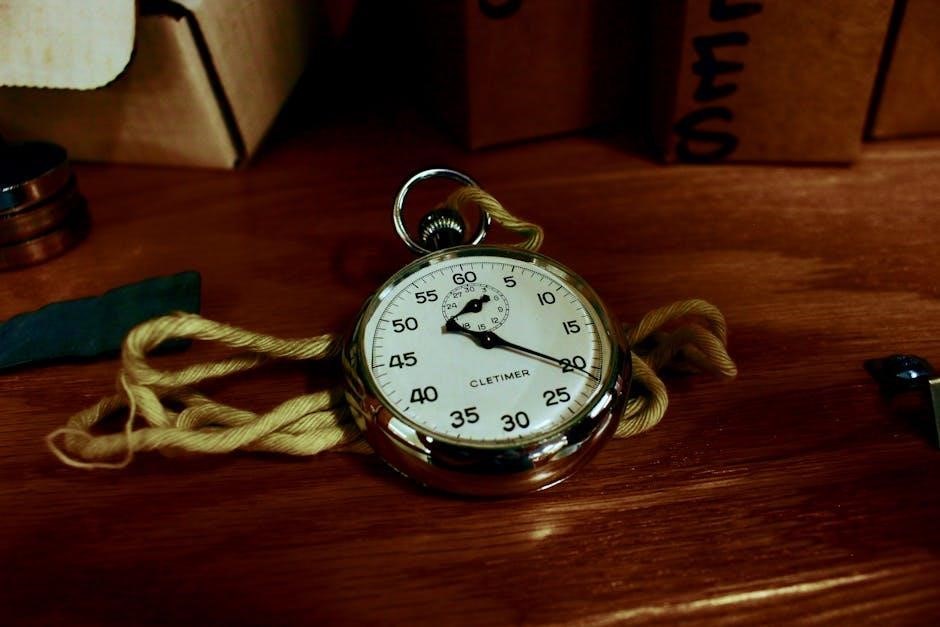
Sustaining yourself requires resourcefulness. Master identifying edible plants and safe water sources – knowledge absent from a scientific calculator! Learn basic trapping and fire-starting techniques. Understand seasonal availability of resources. Familiarize yourself with local flora and fauna, recognizing potential dangers. Prioritize shelter construction and maintaining warmth. A strong understanding of wilderness survival is crucial, as reliance on modern conveniences is impossible. Careful observation and respect for the environment are essential.
IV. Social Etiquette & Avoiding Suspicion
Blending in is paramount for survival. Study 18th-century Scottish customs, hierarchy, and social graces. Master the local dialect and avoid modern slang. Dress authentically, eschewing any anachronistic clothing or accessories. Limit displays of advanced knowledge or skills. Observe and mimic local behaviors. Understand the importance of reputation and avoid attracting unwanted attention. Maintaining a low profile and respecting social norms are vital to avoid suspicion and ensure safety.
A. Language & Dialect (18th Century Scottish)
Authentic speech is crucial for acceptance. 18th-century Scottish dialect differed significantly from modern English. Research vocabulary, pronunciation, and grammatical structures. Avoid contemporary idioms and slang. Familiarize yourself with common phrases and expressions of the period. Practice speaking with a convincing accent. Listen to historical recordings or literature for guidance. Mastering the language minimizes suspicion and facilitates genuine interactions, aiding your integration into the past.

B. Dress & Appearance (Authenticity is Key)
Blending in requires meticulous attention to detail. Modern clothing is a glaring anachronism. Research 18th-century Scottish attire for your social standing. Fabrics, cuts, and colors must be period-accurate. Avoid synthetic materials and modern accessories. Hairstyles and grooming also matter. Consider undergarments and footwear. Authenticity minimizes scrutiny and enhances believability. Prioritize practicality and durability alongside historical accuracy for successful assimilation into the past.
C. Social Customs & Hierarchy
Understanding 18th-century Scottish society is crucial for survival. A rigid social hierarchy dictated interactions. Deference to superiors was paramount. Familiarity with clan structures, kinship ties, and local customs is essential. Observe etiquette regarding greetings, dining, and conversation. Avoid challenging authority or displaying modern egalitarian views. Knowledge of social graces prevents offense and minimizes suspicion, aiding seamless integration into the historical context.
V. Navigating Political Landscapes

Scotland in the 18th century was a cauldron of political unrest. The aftermath of the Jacobite Rising loomed large, with lingering loyalties and British military presence. Understanding clan dynamics, alliances, and rivalries is vital. Avoid expressing opinions on sensitive topics like the Hanoverian succession. Be aware of British Redcoat authority and colonial relations. Discretion and neutrality are paramount to avoid entanglement in dangerous political conflicts.

A. The Jacobite Rising & its Aftermath
The Jacobite Rising of 1745 profoundly shaped the Highlands. Its suppression by British forces led to harsh repercussions, including clan disarmament and cultural suppression. Avoid any discussion openly supporting the Jacobite cause. Be mindful of lingering resentment and potential informants. Understanding the political climate post-Culloden is crucial; appearing sympathetic to the Jacobites could lead to severe consequences and accusations of treason.
B. British Redcoats & Colonial Relations
British Redcoats represent authority and potential danger. Avoid direct confrontation or questioning their actions. Be aware of the ongoing tensions between Britain and its American colonies; discussions about colonial grievances are risky. Observe military movements and understand their purpose. Demonstrating knowledge of colonial affairs could raise suspicion, labeling you as a sympathizer or spy. Maintaining a neutral stance is paramount for survival.

C. Clan Dynamics & Alliances
Scottish clans operate on complex loyalty systems. Understand that allegiances shift, and feuds are deeply rooted. Identifying a clan’s chief and key members is crucial. Avoid taking sides in disputes unless absolutely necessary, and then, proceed with extreme caution. Offering assistance or gifts can foster goodwill, but be mindful of perceived obligations. Clan affiliations dictate social interactions and safety; knowledge is power.
VI. Practical Considerations: Hygiene & Health
Eighteenth-century sanitation is drastically different. Disease spreads rapidly due to poor hygiene. Prioritize boiling water for drinking and food preparation. Avoid consuming potentially contaminated food. Be aware of common illnesses and limited treatment options. Maintaining personal cleanliness is vital, though challenging. Understand that even minor injuries can become life-threatening without proper care; prevention is paramount.
A. Sanitation & Disease Prevention
Eighteenth-century life lacked modern sanitation. Human and animal waste were commonplace, fostering disease. Prioritize boiling all water before consumption to eliminate pathogens. Thoroughly cook all food, avoiding raw meats or questionable sources. Practice diligent handwashing with available materials – ash and water are better than nothing. Be mindful of open wounds and potential infection risks.
B. Food & Water Safety
Securing safe sustenance is paramount. Water sources were often contaminated; boiling remains crucial. Food preservation was limited – salting, smoking, and drying were common. Avoid unfamiliar plants and mushrooms. Inspect meat for spoilage. Be wary of milk and dairy products, as pasteurization didn’t exist. Prioritize cooked foods and understand the risks associated with foraging for wild edibles.
C. Common Illnesses & Treatments (Historical)
Expect limited medical intervention. Dysentery, typhoid, and influenza were rampant. Treatments relied heavily on herbal remedies, bloodletting, and purging – often ineffective or harmful by modern standards. Infection from even minor wounds was a significant threat. Understand the prevalence of smallpox and the rudimentary inoculation practices. Prepare for limited sanitation and the lack of antibiotics.
VII. Financial Matters & Trade
Currency will differ drastically. Familiarize yourself with the Scottish pound sterling and its fluctuating value. Bartering was commonplace, especially in rural areas. Obtaining resources requires employment – consider skills transferable to the 18th century. Beware of exploitation; merchants may inflate prices for outsiders. Understanding trade routes and local markets is crucial for financial stability and avoiding suspicion.
A. Currency & Bartering Systems
The Scottish pound held complex values. Silver and copper coins were common, but often scarce. Bartering – exchanging goods and services – thrived, particularly for necessities. Understand the relative worth of items: livestock, textiles, and tools held significant value. Familiarize yourself with weights and measures. Be cautious of counterfeit currency and fluctuating exchange rates; knowledge is your financial safeguard.
B. Obtaining Resources & Employment
Securing sustenance requires adaptability. Opportunities exist as a domestic servant, farmhand, or skilled artisan – if your skills align. Women might find work in weaving or midwifery. Be prepared for arduous labor and low wages. Bartering remains vital. Establishing trust is paramount; a reputation for honesty unlocks opportunities. Avoid attracting undue attention with unexplained wealth or abilities.
C. Avoiding Financial Exploitation
Vigilance protects your limited funds. Understand 18th-century currency and bartering values. Merchants may inflate prices for outsiders. Carefully inspect goods before purchase. Avoid lending money – recovery is unlikely. Be wary of “opportunities” promising quick riches; scams are prevalent. Document all transactions. A local advocate, earned through trust, can safeguard against unfair dealings and predatory practices.
VIII. Communication & Information Gathering
Discreetly acquire knowledge. Literacy is uncommon; rely on observation and oral tradition. Storytelling reveals societal norms and hidden truths. Cultivate trusted contacts for intelligence, but beware of rumors. Avoid displaying advanced knowledge or writing skills. Master the local dialect to blend in and understand nuanced conversations. Careful listening is paramount; information is power, and silence is golden.
A. Literacy & Written Communication
Minimize written traces. Widespread literacy is absent; your skills will attract unwanted attention. Avoid writing unless absolutely necessary, and then use period-appropriate materials and handwriting. If compelled to write, adopt a simple style mirroring the era. Conceal modern grammar and vocabulary. Prioritize oral communication and rely on trusted individuals for limited correspondence, understanding the risks involved.
B. Oral Tradition & Storytelling
Master the art of storytelling. Information spreads primarily through word of mouth. Cultivate a knack for recounting tales, remembering genealogies, and participating in local lore. Listen intently to gather intelligence and discern truth from rumor. Adapt your narratives to fit the cultural context, avoiding anachronisms. Become a skilled listener; observing reactions reveals much about the community’s beliefs and suspicions.

C. Gathering Intelligence & Avoiding Rumors
Discretion is paramount. Carefully assess information sources, recognizing that gossip thrives. Prioritize direct observation and verified accounts. Cultivate relationships with individuals known for reliability, but remain cautious. Avoid openly seeking information that might arouse suspicion. Blend into the background, listening more than speaking, and subtly glean insights into local events and power dynamics.
IX. Dealing with Technological Disparity
Minimize your footprint. Conceal modern knowledge and skills; avoid demonstrating abilities beyond the era’s understanding. Adapt to limited technology, relying on ingenuity and resourcefulness. The paradox problem is real – minimal interference is crucial. Resist the urge to “improve” the past. Focus on blending in, utilizing existing tools, and avoiding actions that could drastically alter the timeline’s course.
A. Concealing Modern Knowledge & Skills
Subtlety is paramount. Avoid displaying advanced mathematical or scientific understanding, especially utilizing tools like scientific calculators for complex problems. Downplay expertise; feign ignorance when questioned about concepts beyond the 18th century. Focus on practical skills readily accepted within the period. Remember, appearing too knowledgeable invites suspicion and potentially dangerous scrutiny. Blend in, observe, and learn to mimic the era’s intellectual limitations.
B. Adapting to Limited Technology
Embrace simplicity. The absence of modern conveniences requires resourcefulness. Master basic arithmetic and rely on manual calculations, mirroring the era’s reliance on tools like simple calculators for fundamental tasks. Forget instant communication; letters are paramount. Accept slower travel and limited access to information. Adapt to a world without readily available data, fostering patience and observational skills. Technological disparity demands a shift in mindset and practical abilities.
C. The Paradox Problem & Minimal Interference
Preserve the timeline. Avoid altering significant events; even small changes could have unforeseen consequences. Conceal modern knowledge and skills to prevent disrupting the natural course of history. Observe, but do not actively participate in shaping outcomes. Prioritize blending in and minimizing your footprint. Remember, the past is fragile; interference risks creating paradoxes and jeopardizing your own future. Strict adherence to non-intervention is crucial for survival.
X. Potential Dangers & Risks
The 18th century presents numerous threats. Warfare and violence are commonplace, demanding constant vigilance. Disease and injury, lacking modern medicine, pose significant risks to health. Social outcasting and persecution await those perceived as different or threatening. Be prepared for harsh conditions, limited resources, and the constant possibility of danger. Maintaining a low profile and avoiding unnecessary attention are paramount for survival in this volatile era.
A. Warfare & Violence
Conflict permeated 18th-century life. The Jacobite uprisings and ongoing clan feuds created a landscape of potential violence. Travel was hazardous, with highwaymen and raiding parties posing constant threats. Military presence, including British Redcoats, meant encounters could quickly escalate. Understanding weaponry and basic self-defense is crucial. Avoid political discussions and demonstrations, as even minor offenses could lead to severe consequences or imprisonment.
B. Disease & Injury
Medical care was primitive and dangerous. Sanitation was poor, leading to rampant disease – smallpox, dysentery, and influenza were common. Even minor injuries could become life-threatening due to infection. Possessing basic medical knowledge, even herbal remedies, is vital. Avoid contaminated water and food. Be prepared for limited treatment options and the high risk of mortality from even seemingly simple ailments. Prioritize preventative measures above all else.
C. Social Outcasting & Persecution
Deviation from norms invited suspicion and harsh consequences. Unusual knowledge, speech, or behavior could lead to accusations of witchcraft or being an English spy. Maintaining a low profile and conforming to societal expectations is crucial for survival. Avoid displays of modern thinking or skills. Be mindful of religious beliefs and clan allegiances. Outsiders faced distrust; blending in is paramount to avoid persecution and ensure safety.
XI. The Role of Fate & Free Will
The question of destiny versus agency is central to time travel. Are events predetermined, or can actions alter the course of history? Minimal interference is vital to avoid paradoxes. Observe, but resist the urge to significantly change outcomes. Accepting a degree of predetermination while exercising cautious free will offers a balanced approach. Understand that even small actions can have unforeseen repercussions across time.
XII. Identifying & Understanding Key Historical Figures
Thorough research is paramount before interacting with individuals from the past. Knowing their motivations, allegiances, and potential influence is crucial for self-preservation. Avoid revealing future knowledge that could alter their actions or raise suspicion. Focus on observing their behaviors and understanding the political landscape surrounding them. Accurate assessment minimizes risks and ensures a lower profile during your temporal sojourn.
XIII. The Importance of Documentation & Observation
Meticulous record-keeping is vital, yet discreetly done. Document daily life, social customs, and political events without attracting attention. Utilize a cipher or code for sensitive information. Observation skills are key to understanding nuances and avoiding cultural faux pas. Detailed notes aid in adapting and navigating the past, while minimizing interference with the established timeline. Remember, knowledge is power, and careful observation is your greatest asset.

XIV. Building a Support Network (Cautiously)
Establishing trust is paramount, but fraught with risk. Seek individuals demonstrating loyalty and discretion. Avoid revealing your origins; fabricate a plausible backstory. Offer skills – basic medical knowledge, perhaps – in exchange for assistance. Be wary of political affiliations and clan rivalries. A small, reliable network can provide vital resources, protection, and information, but maintain constant vigilance against betrayal or exposure.
XV. Understanding Scottish Law & Justice (18th Century)
The legal system differed drastically from modern standards. Clan chiefs often administered justice locally, with trials by ordeal or compurgation common. Heritable jurisdictions granted landowners judicial power. Avoid attracting attention from authorities; even minor offenses could lead to severe punishment. Familiarize yourself with concepts like “benefit of clergy” and the role of witnesses. Discretion and adherence to local customs are crucial for avoiding legal entanglements.
XVI. The Impact of Time Travel on Mental Health
Temporal displacement induces significant psychological stress. Expect culture shock, grief over lost connections, and existential anxieties. Maintaining a consistent identity while adapting to a new era is challenging. Develop coping mechanisms – journaling, mindfulness, or finding a trusted confidant (cautiously!). Recognize symptoms of trauma and prioritize mental wellbeing. The paradox of knowledge and the inability to alter major events can be profoundly unsettling.
XVII. Ethical Considerations of Time Travel
Interference carries immense responsibility. The “minimal interference” principle is paramount; avoid altering established timelines. Even seemingly small actions can have unforeseen consequences. Resist the urge to profit from future knowledge or prevent personal tragedies. Prioritize observation and documentation over intervention. Consider the potential harm to individuals and the broader historical narrative. Respect the past, even its imperfections.
XVIII. Utilizing Scientific Principles for Survival (Basic Physics/Chemistry)
Leverage fundamental knowledge discreetly. Understanding basic physics aids in constructing simple tools and shelters. Chemistry principles assist in water purification and identifying edible plants – crucial for survival. Employing a scientific calculator, even for seemingly simple tasks, can provide a significant advantage. Remember to conceal advanced calculations and maintain a low profile.
XIX. Navigation Without Modern Tools (Celestial Navigation)
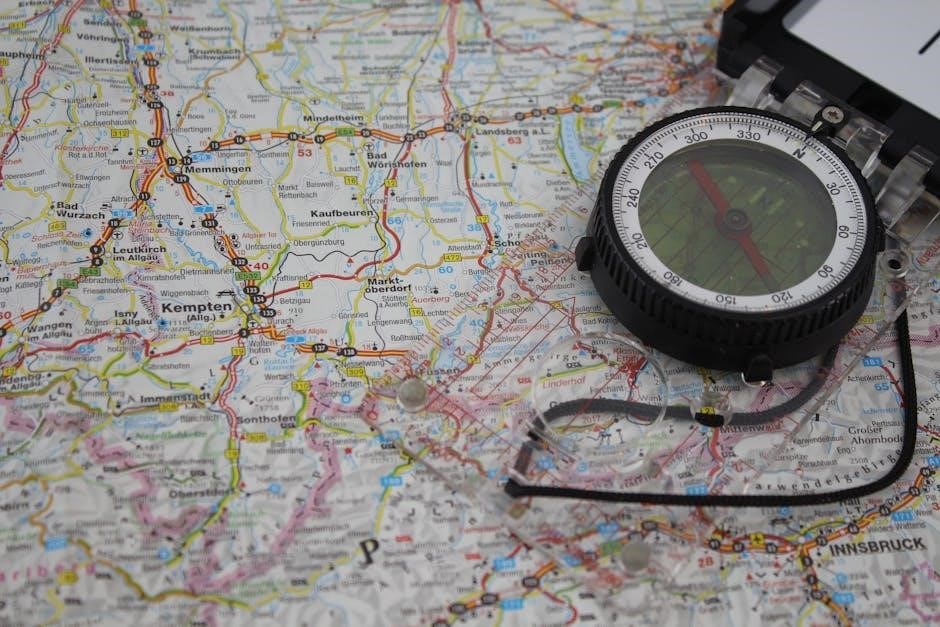
Master the stars for orientation. Celestial navigation, using the sun, moon, and stars, becomes essential without GPS. Learn to determine latitude using constellations and the North Star. A scientific calculator, while concealed, can aid in precise angle measurements. Practice regularly; accurate navigation prevents getting hopelessly lost in unfamiliar terrain, ensuring survival and successful travel.
XX. The Significance of Local Folklore & Superstition
Respect beliefs, even if you don’t share them. 18th-century Scotland was steeped in folklore; dismissing it invites suspicion and potential danger. Understanding local superstitions – regarding fairies, second sight, or omens – is crucial for social acceptance. While a scientific mindset prevails, outwardly acknowledging these beliefs can foster trust and avoid unwanted attention. Blend in, observe, and learn the local narratives.
XXI. Preparing for Long-Term Residency
Adaptation is key to survival. Long-term stays necessitate establishing a sustainable life. Secure reliable resources – land, employment, or trade – and master essential skills like farming or crafting; Cultivate relationships cautiously, building a support network while concealing your origins. Financial stability through bartering or legitimate work is paramount. Prioritize hygiene and health, understanding 18th-century limitations.
XXII. Returning to Your Own Time (If Possible)
Reintegration presents unique challenges. If returning is feasible, meticulously document observations – historical details, societal shifts – but avoid altering the timeline. Prepare for potential paradoxes and the psychological impact of displacement. Expect cultural shock and technological disparity. Secure resources for readjustment and cautiously reveal experiences, understanding disbelief is likely. Prioritize mental health support post-transition.
XXIII. Contingency Planning & Emergency Protocols
Unforeseen events are inevitable. Develop escape routes, secure hidden resources, and establish coded communication methods. Master basic medical skills for injury and disease. Anticipate political unrest and potential violence. Learn self-defense techniques. Prepare for financial hardship and resource scarcity. Prioritize discretion and avoid attracting unwanted attention. A detailed plan minimizes risk and maximizes survival chances.