chinese characters practice sheet pdf
Overview of Chinese Character Practice Sheets
Printable PDFs offer structured practice for beginners to advanced learners‚ featuring stroke‑order diagrams‚ Kaiti font‚ and Mi Zi Ge grids. They cover HSK 1‑9‚ theme sets‚ and customizable name sheets for all!!!.
Definition and Purpose
Chinese character practice sheets in PDF format serve as tools that through the precise strokes‚ structure‚ and meaning character. These printable worksheets provide clear stroke‑order diagrams‚ standardized grids‚ and vocabulary‚ enabling learners to build memory and recognition skills. By tracing characters repeatedly‚ practice users reinforce neural pathways‚ improving retention and recalltest The purpose extends beyond mere writing; the sheets also foster a deeper understanding of character components‚ radicals‚ and etymology‚ making the learning process engaging and effective. For educators‚ the PDFs offer ready‑made handouts that align with curriculum levels‚ from HSK 1 to advanced‚ and can be customized for thematic lessons or personal names. Parents and self‑learners benefit from free‚ downloadable resources that support dailypractice‚ reinforcing classroom lessonspromoting independent study. Ultimately‚ these sheets aim to transform passive exposure into active‚ confident writing‚ laying a solid foundation for advanced literacy and communication in Chinese
Benefits of Handwriting Practice
Handwriting practice deepens muscle memory‚ improves stroke order accuracy‚ and boosts character recognition. It links visual shape to meaning‚ enhancing long‑term retention and confidence in writing skills daily practice.!
Memory Retention and Recognition
Research indicates that repeated‚ deliberate handwriting of Chinese characters significantly reinforces neural pathways associated with visual recognition and semantic recall. When learners trace each stroke in the correct sequence—guided by clear stroke‑order diagrams—muscle memory is built‚ allowing the brain to retrieve characters more efficiently during reading and writing tasks; Structured practice grids (Mi Zi Ge) provide visual anchors that help learners maintain consistent proportions‚ which further strengthens pattern recognition. The inclusion of Pinyin‚ meaning‚ and example sentences in printable worksheets links form to function‚ ensuring that the learner’s memory is not only visual but also contextual. Daily‚ focused sessions of 15–20 minutes on printable PDFs have been shown to increase retention rates by up to 30 % compared to passive reading alone. Moreover‚ the tactile feedback from pen on paper creates a multisensory experience that solidifies long‑term recall‚ making it easier to recall characters under exam conditions or in real‑world communication. Consistent practice also reduces the likelihood of stroke‑order errors‚ which can otherwise lead to misrecognition or mispronunciation. By integrating these elements—stroke‑order guidance‚ contextual vocabulary‚ and structured grids—handwriting practice transforms passive learning into active‚ embodied cognition‚ ultimately boosting both retention and recognition across all HSK levels. More tactile feedback from pen on paper creates a multisensory experience that solidifies long‑term rec
Types of PDF Sheets.
HSK level‑based worksheets‚ theme‑based sets‚ customizable name/sentence sheets offer tailored practice. Each PDF features stroke order‚ Pinyin‚ meaning‚ and grids for structured writing.
HSK Level‑Based Worksheets
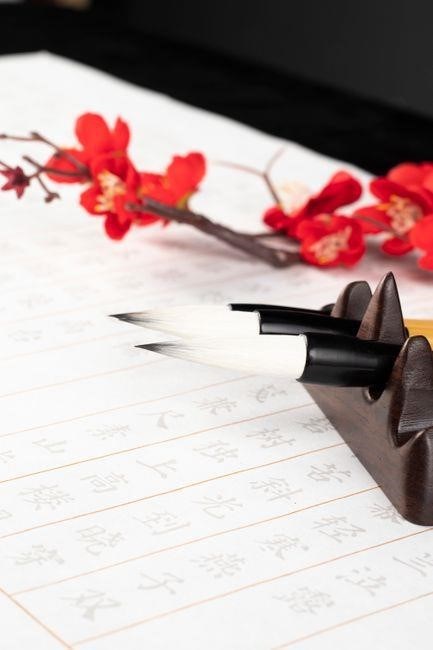
HSK‑level worksheets guide learners through the official exam sequence‚ offering printable PDFs that cover characters from HSK 1 to HSK 9. Each sheet lists the most frequently used characters for the target level‚ complete with stroke‑order diagrams that illustrate the correct writing order and pressure points. The pages are printed in the traditional Kaiti font‚ mirroring the style used in exams‚ and feature Mi Zi Ge grids that help maintain consistent size and alignment. Beginner packs include the first ‚ while intermediate and advanced packs cover 200– per level‚ providing a balanced workload that aligns with the curriculum. The worksheets also include Pinyin transliterations‚ English meanings‚ and example sentences that contextualize each character‚ reinforcing vocabulary retention. Free downloads are available on HanziStroke.com‚ where users can choose to print or digitally annotate the PDFs. The structured format encourages daily practice‚ and teachers can easily integrate these sheets into lesson plans‚ using them as handouts or for formative assessment. By following the HSK‑based progression‚ learners build a solid foundation‚ gradually increasing complexity while reinforcing muscle memory through repetitive writing drills. Practice consistentlysuccesswillfollowtoday
Theme‑Based Worksheets
Theme‑based worksheets focus on topics like food‚ travel‚ family‚ and business‚ letting learners practice characters in context. Each PDF lists 30–50 theme‑related characters with stroke‑order diagrams‚ Pinyin‚ English meanings‚ and sample sentences. The layout follows the Mi Zi Ge grid for proper spacing and alignment. Teachers can download packs for HSK 1–3 or create custom sets for advanced learners. The sheets encourage associative learning: students write characters while reading short dialogues or labeling pictures‚ reinforcing memory through visual cues. Free resources such as HanziStroke.com offer printable PDFs that can be annotated digitally. Rotating themes—e.g.‚ “Daily Routines” one week‚ “Shopping” the next—keeps engagement and expands vocabulary breadth. Ideal for classroom activities‚ homework‚ and self‑study‚ these sheets provide a structured yet flexible approach to character acquisition. Practice regularly‚ review mistakes‚ and track progress to maximize retention and fluency. Enjoy the journey! These sheets help visual learners build confidence quickly daily.
Customizable Name and Sentence Sheets
These printable PDFs let learners create personalized practice sheets for their own names‚ classmates’ names‚ or specific sentences they wish to master. Each sheet contains a Mi Zi Ge grid‚ stroke‑order diagrams‚ Pinyin‚ meaning‚ and example usage‚ ensuring that handwriting practice is directly linked to real‑world context. By drawing the same character repeatedly in a structured layout‚ students build muscle memory that research shows improves recognition‚ retention‚ and recall far more than passive reading or typing. The sheets are fully editable—users can add new characters‚ adjust spacing‚ or insert short dialogues—making them ideal for homework‚ classroom activities‚ or self‑study. Free versions are available on HanziStroke.com‚ and educators can download starter packs or design custom sets that align with lesson plans. Regular use of these sheets encourages consistent practice‚ helps learners track progress‚ and boosts confidence in writing Chinese characters by hand.
These sheets can be printed and scanned for digital feedback daily.
Key Features to Look For
Look for clear stroke‑order diagrams‚ Kaiti font‚ Mi Zi Ge grids‚ Pinyin‚ meaning‚ example sentences‚ and HSK‑aligned levels. These features ensure structured‚ contextual‚ and engaging handwriting practice daily practice.
Stroke Order Diagrams
Stroke order diagrams are the backbone of effective handwriting practice. They present each stroke in a logical‚ sequential order‚ guiding learners from the first line to the final flourish. By visualizing the correct path‚ students develop muscle memory that translates into faster‚ cleaner writing. The diagrams often use color coding or arrows to emphasize direction and timing‚ helping users avoid common mistakes such as reversed strokes or misplaced radicals; In printable PDFs‚ these illustrations are placed beside the character grid‚ allowing learners to trace while simultaneously observing the exact sequence. This dual‑mode approach reinforces learning through both visual and kinesthetic channels. Consistent exposure to accurate stroke order also supports character recognition‚ as the brain associates the shape with its construction. For advanced learners‚ the diagrams can be scaled or broken into sub‑components‚ enabling focused practice on complex radicals. Overall‚ stroke order diagrams transformto reading into active‚skill-building sessions that build confidence and proficiency in Chinese writing!
Pinyin‚ Meaning‚ and Example Sentences
Each printable sheet pairs the character with its pinyin transcription‚ literal meaning‚ and a example sentence that places the word in everyday context. This triad anchors memory: the phonetic cue (pinyin) links sound to shape‚ the definition clarifies intent‚ and the sentence shows usage. By repeatedly writing the character while reading its pinyin and meaning‚ students reinforce the association between sound‚ shape‚ and sense. Example sentences are chosen to reflect common conversational topics—family‚ food‚ travel‚ work—so learners can instantly relate practice to real life. Including pinyin also aids tone recognition‚ a skill for pronunciation and comprehension. The sentences often contain additional characters the learner has already studied‚ creating environment that encourages vocabulary growth. Instructors can use these sheets to prompt discussion or assign fill‑in‑the‑blank exercises‚ turning writing into language task. The combination of visual‚ auditory‚ and contextual cues in each sheet maximizes retention and speeds the transition from written practice to fluent speaking. compare strokes accuracy daily !!
Structured Writing Grids (Mi Zi Ge)
Mi Zi Ge‚ also known as the character grid‚ is a fundamental tool in Chinese handwriting education. The grid is a 3×3 square that provides a visual framework for placing each stroke in its proper location. By using the grid‚ learners can see how the strokes fit together and maintain correct proportions. The central cell of the grid is reserved for the main radical or component of the character‚ while the surrounding cells hold the additional strokes. This structure helps students internalize the spatial relationships between strokes‚ which is crucial for accurate writing. The grids are printed on PDF worksheets‚ allowing students to trace characters while following the correct stroke order. The design of the grid aligns with the natural way the human eye scans a character‚ making it easier to remember the sequence of strokes. When students practice with the grid‚ they develop muscle memory that reinforces the correct stroke order and improves overall writing fluency. The Mi Zi Ge approach also supports consistency across different characters‚ as the same spatial framework can be applied to a wide range of strokes. Teachers can adjust the size of the grid cells to match the learner’s skill level‚ starting with larger cells for beginners and gradually decreasing the size as proficiency improves. The grid format is especially useful for visual learners and those who benefit from tactile feedback. Students often report increased confidence after mastering the grid‚ as the visual cue reduces anxiety about stroke placement. The simplicity of the 3×3 structure also makes it adaptable to digital platforms‚ where interactive grids can provide instant feedback. Overall‚ Mi Zi Ge grids are a versatile tool that bridges the gap between theoretical stroke order and practical writing skill‚ ensuring learners develop a solid foundation for advanced Chinese literacy. Practice daily‚ see gains now.
Popular Sources for Free PDFs
HanziStroke.com provides free‚ printable worksheets for HSK 1‑9‚ common characters‚ and themed sets. Other sites like Duolingo‚ Skritter‚ and university portals offer downloadable PDFs for daily practice every day.
HanziStroke.com Worksheets
HanziStroke.com offers a comprehensive library of printable Chinese character worksheets that cater to learners at every level. The site’s free starter packs feature HSK 1‑9 worksheets‚ each containing clear stroke‑order diagrams‚ Kaiti font examples‚ and Mi Zi Ge grids for structured practice. Users can download themed sets—such as family‚ food‚ or travel—alongside custom sheets that allow the insertion of personal names‚ lesson vocab‚ or specific sentences. The worksheets are designed to reinforce muscle memory‚ with step‑by‑step stroke guides that help learners internalize the correct sequence before tracing. Additionally‚ each sheet includes pinyin‚ meaning‚ and example sentences to contextualize the characters‚ making the practice both visual and linguistic. The downloadable PDFs are fully printable‚ making them ideal for classroom handouts‚ home study‚ or on‑the‑go practice. By providing a free‚ accessible resource‚ HanziStroke.com supports consistent‚ handwriting drills that boost recognition‚ retention‚ and overall proficiency in Chinese characters.
Other Educational Platforms
Beyond HanziStroke‚ platforms offer printable PDFs blending stroke‑order diagrams with contextual learning. Arch Chinese supplies worksheets for HSK levels 1‑6‚ featuring Mi Zi Ge grids‚ pinyin‚ and example sentences. Yoyo Chinese offers a free “Character Practice Pack” of 200 high‑frequency characters with stroke sequence‚ meaning‚ and sample sentences. Skritter’s “Print‑Friendly” mode lets users download a PDF of their custom word list with static stroke diagrams. ChinesePod’s “Lesson Worksheets” accompany audio lessons‚ featuring character drills‚ pinyin‚ and usage examples. The “ChineseSkill” app offers a printable option for its HSK practice sets‚ combining stroke order‚ pinyin‚ and contextual sentences. These resources support diverse learning styles‚ from visual tracing to contextual vocabulary drills‚ all free or low cost!! These resources are freely downloadable‚ making them accessible for learners at any stage!!

How to Use Practice Sheets Effectively
Use sheets daily‚ tracing each stroke‚ then write from memory. Focus on stroke order‚ pinyin‚ and meaning. Review weekly‚ track progress‚ and adjust difficulty. Combine with digital tools for feedback. daily. often.
Daily Writing Routine
Begin each session by selecting a focused set of characters—ideally 5 to 10 from the same HSK level or theme—to maintain manageable cognitive load. Start with the stroke‑order diagram‚ tracing each stroke with a pencil while vocalizing the pinyin; this multimodal approach reinforces muscle memory. After tracing‚ write each character independently‚ ensuring you replicate the exact stroke sequence and pressure. Pause after every third character to reflect on its meaning and any example sentence that contextualizes it—this links visual form to semantic content. Use the Mi Zi Ge grid to maintain consistent spacing; the diagonal lines help you gauge the character’s dimensions‚ preventing cramped or oversized writing. Once the initial practice is complete‚ review the characters by writing them from memory‚ then compare with the original to spot discrepancies. Record any errors in a progress log—note whether the mistake was a stroke order slip or a misplacement of a radical. Repeat this cycle daily‚ gradually increasing the character count or complexity as proficiency grows. Incorporate short breaks every 15 minutes to avoid fatigue‚ and end each session by summarizing key takeaways‚ such as newly learned radicals or challenging strokes. Consistency is key: even a brief 10‑minute daily practice outperforms sporadic‚ lengthy sessions. Over time‚ this routine builds robust neural pathways‚ solidifies retention‚ and enhances overall fluency in handwritten Chinese characters.
Classroom Integration
Teachers can embed printable PDFs into lesson plans by selecting worksheets that align with the current HSK level or thematic unit. The structured grids allow students to practice stroke order while the accompanying pinyin and example sentences reinforce vocabulary. During group activities‚ students can pair up to trace characters together‚ encouraging peer feedback on stroke accuracy. In assessment‚ instructors can use the same worksheets to create timed writing drills‚ comparing students’ output against the provided stroke diagrams. For differentiated instruction‚ advanced learners may tackle higher‑level sheets‚ while beginners focus on starter packs that emphasize basic radicals. Digital copies can be shared via learning management systems‚ enabling students to download and print at home‚ ensuring consistency between classroom and independent practice. By incorporating these resources‚ educators foster a balanced approach that blends visual‚ kinesthetic‚ and linguistic skills‚ ultimately strengthening character recognition and retention across diverse learner profiles. This boosts confidence now!!!

Tips for Maximizing Practice
Use daily 15‑minute sessions‚ focus on stroke order‚ mix tracing with freehand‚ review errors‚ and track progress in a log. Combine PDFs with digital flashcards for spaced repetition. Stay consistent and review dailyagain
Combining Handwriting with Digital Tools
Integrating printable Chinese character worksheets with modern technology amplifies learning. Use a stylus on an e‑ink device or a laptop screen to trace the strokes again‚ this time with a digital pen app that records stroke order and timing. Many apps‚ such as Skritter or Pleco‚ allow you to upload custom PDFs‚ turning static grids into interactive lessons. As you trace‚ the software highlights correct stroke direction‚ flags errors‚ and offers instant feedback. This dual‑mode practice reinforces muscle memory while providing analytics—average speed‚ accuracy‚ and consistency over time. When you review a character‚ the app can display the original stroke diagram from the sheet‚ ensuring you remember the visual shape. Finally‚ maintain a digital portfolio: upload each completed sheet to a cloud folder‚ annotate with pinyin and meaning‚ and periodically revisit older sheets to gauge progress. By blending the tactile satisfaction of handwriting with the precision of digital tools‚ learners achieve a holistic mastery of Chinese characters. daily. Now!
Tracking Progress Through Repetitive Sessions
Repetition is the cornerstone of character mastery. Begin by selecting a small set of characters—ideally 5 to 10 from a HSK‑level worksheet or a theme‑based PDF. Write each character on a Mi Zi Ge grid‚ following the stroke‑order diagram‚ until the form feels natural. Record the time taken and any mistakes‚ then repeat the same set the next day. Over a week‚ increase the batch size or introduce new characters from a higher HSK level. Use a simple spreadsheet or a note‑taking app to log each session: date‚ characters practiced daily‚ time‚ accuracy‚ and personal notes. At the end of each month‚ review the log to spot trends—characters that consistently lag‚ or those that improve quickly. This data‑driven approach turns practice into measurable progress. Pair the PDF sheets with a digital timer or a metronome to maintain consistent rhythm. When you revisit older sheets‚ compare the new strokes with the original diagrams; any deviation signals a learning gap. Celebrate milestones by adding a “mastered” stamp or a checkmark next to the character in your log. Consistent repetition turns fleeting effort into fluency‚ ensuring each stroke becomes very confident.
Common Mistakes to Avoid
When using printable Chinese character worksheets‚ learners often fall into several pitfalls that hinder true mastery. First‚ skipping the stroke‑order diagram and writing characters randomly destroys muscle memory and leads to inconsistent shapes. Second‚ relying solely on the Kaiti font without practicing on a Mi Zi Ge grid removes the spatial guidance that keeps characters balanced. Third‚ neglecting to review previously practiced characters means old errors persist; repetition without reflection is ineffective. Fourth‚ overconfidence in speed can cause sloppy strokes—quality trumps quantity. Fifth‚ ignoring pinyin and meaning ties the practice to rote copying rather than meaningful learning. Sixth‚ failing to track progress with a simple log or spreadsheet removes accountability and makes it hard to identify weak spots. Seventh‚ mixing unrelated themes in one session dilutes focus; it’s better to group characters by HSK level or topic. Eighth‚ not using digital tools such as stroke‑order apps or timed drills limits the ability to self‑correct. Ninth‚ neglecting to adjust difficulty—sticking to the same set of characters for months—stalls growth. Finally‚ not seeking feedback from teachers or native speakers leaves subtle errors uncorrected‚ preventing authentic fluency.