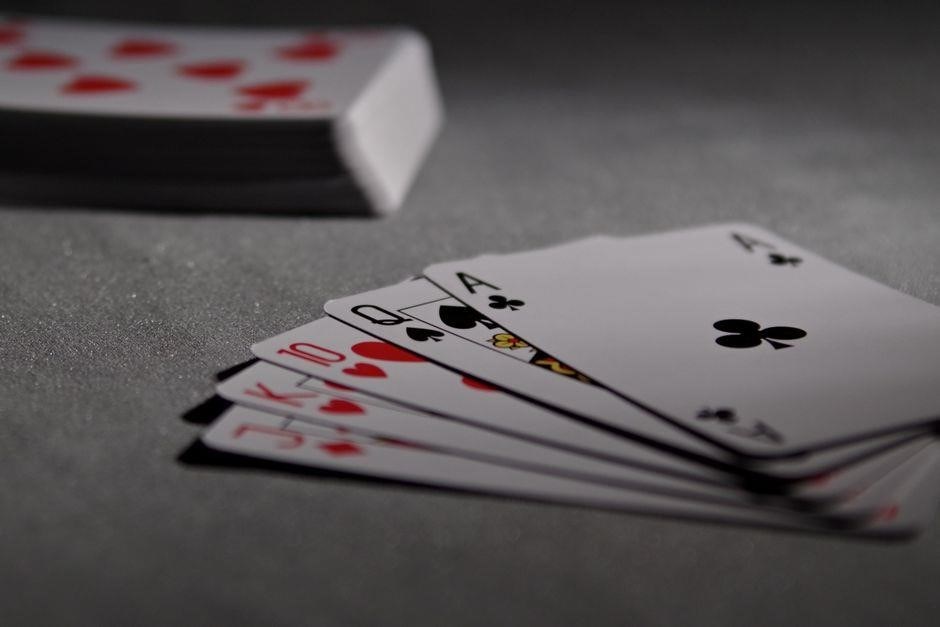
poker hand rankings pdf
What Is a Poker Hand Rankings PDF?
Today is 10/07/2026 20:09:17 (). A Poker Hand Rankings PDF is a concise reference that lists hand hierarchies‚ from high card to royal flush‚ enabling players to quickly assess outcomes at showdown. It serves as a quick‑look guide for strategy.!!!!!

Definition and Format
A Poker Hand Rankings PDF is a portable‚ digital document that catalogs the standard hierarchy of poker hands. It typically lists the 10 distinct hand types—from a high card up to a royal flush—in descending order of strength. The format is designed for quick reference: a clean layout‚ bold headings‚ and concise descriptions that fit on a single page or a few pages‚ depending on the level of detail. PDFs are widely supported across devices‚ allowing players to view the rankings on smartphones‚ tablets or desktop computers without the need for special software. Many PDFs incorporate color coding or icons to differentiate hand categories‚ making visual scanning faster during live or online play. The file size is usually small‚ often under 200 KB‚ which facilitates easy sharing via email or cloud storage. Some advanced versions include interactive elements such as hyperlinks to explanatory articles or embedded calculators‚ but the core remains a static list of hand strengths. The document can be printed for use at home or in a casino‚ and its format ensures that the information remains legible even when the screen brightness changes. Overall‚ a Poker Hand Rankings PDF serves as an essential tool for both beginners learning the basics and seasoned players needing a reliable reference at the table. Use it daily to sharpen your edge.!!
Historical Context and Evolution
From its origins in 18th‑century French card games‚ the concept of hand rankings has evolved through centuries of gambling culture. Early references in 1700s Parisian casinos listed only a handful of hand types‚ often with regional variations. The 19th‑century American poker books codified the modern hierarchy‚ assigning numerical values to each hand to aid in betting strategies. By the 1930s‚ the first printed hand‑ranking charts appeared in casino rulebooks‚ standardizing terminology across the United States. The advent of televised poker in the 1970s and the subsequent rise of televised tournaments further popularized a universal ranking system‚ which was later formalized in the 1980s by the World Series of Poker. The digital age brought PDFs to the forefront‚ allowing instant distribution of updated rankings to online platforms and mobile apps. Today‚ poker hand rankings PDFs are ubiquitous‚ serving as a quick reference for players worldwide‚ while still reflecting the rich historical lineage of the game.
Modern PDFs also incorporate features such as explanatory videos‚ embedded calculators for hand odds‚ and customizable annotations that allow players to mark up the chart during practice sessions. These enhancements make the PDF a versatile study aid that adapts to both traditional and digital learning environments.

Standard Poker Hand Rankings Covered
The PDF outlines core rankings: high card‚ pair‚ two pair‚ three of a kind‚ straight‚ flush‚ full house‚ four of a kind‚ straight flush‚ and royal flush. It details variations for Texas Hold’em‚ Omaha‚ and Seven‑Card Stud‚ ensuring players grasp hand hierarchies.!!
Texas Hold’em Hand Hierarchy
In Texas Hold’em‚ the hand hierarchy is crucial for evaluating showdown outcomes. The PDF presents a clear‚ step‑by‑step list: high card‚ one pair‚ two pair‚ three of a kind‚ straight‚ flush‚ full house‚ four of a kind‚ straight flush‚ and the pinnacle‚ the royal flush. Each rank is illustrated with example card combinations‚ such as a pair of aces or a straight from ten to ace‚ to aid visual learning. The guide emphasizes that hand strength is absolute; a straight flush always beats a four‑of‑a‑kind regardless of board texture. It also explains tie‑breaking rules: the highest kicker determines the winner when hands are of the same rank‚ and in the case of identical hands‚ the pot is split. For beginners‚ the PDF highlights common pitfalls‚ such as misreading a flush when a straight is present‚ and offers quick‑reference charts for hand comparison. Advanced players can use the hierarchy to calculate odds and expected value‚ integrating the ranking system into betting strategies. The document is formatted for easy printing or digital annotation‚ allowing users to mark key points during study sessions. By mastering the Texas Hold’em hand hierarchy‚ players can make informed decisions‚ reduce variance‚ and improve overall game performance. This section of the PDF is designed to be a compact‚ authoritative resource for both novices and seasoned professionals alike. …!!!?
Omaha and Seven-Card Stud Variations
In Omaha‚ each player receives four private cards and must use exactly two of them with three community cards to form the best five‑card hand. The PDF lists the hierarchy identical to Hold’em‚ stressing hand construction rules: a flush needs two hole cards‚ a full house at least one hole card‚ and a straight can use any hole and community cards. Stud‚ on the other hand‚ offers seven cards per player‚ with no community cards. Players must with care use the best five out of seven to determine their hand. The PDF explains the ranking stays the same‚ but probability shifts; for example‚ a full house appears more often in Stud due to the larger pool. It also includes sample hands for each rank‚ as well as a two‑pair of kings and queens with a kicker ace‚ and a straight flush from four to eight of spades. Additionally‚ the guide highlights common strategic adjustments: in Omaha‚ betting ranges expand because of the higher variance‚ while in Stud‚ the emphasis on reading board texture and opponent betting patterns is paramount. The PDF’s layout allows quick reference during live play‚ with color‑coded sections for each game type and concise bullet points summarizing key takeaways for both beginners and seasoned players. This section equips readers with the nuanced differences that influence hand evaluation across these popular poker variants.
Mixed Games and Hold’em Lite Adjustments
Mixed‑game tournaments‚ such as H.O.R.S.E. and 8‑game‚ demand players master multiple hand‑ranking systems. A poker‑hand‑rankings PDF tailored for these formats lists the standard hierarchy for each variant—Texas Hold’em‚ Omaha‚ Seven‑Card Stud‚ Stud‑8‑Ace‚ Razz‚ Five‑Card Draw‚ and Bad‑U‑Tux—while also indicating subtle differences in betting structures and hand‑value adjustments. Hold’em Lite‚ a simplified version of Texas Hold’em‚ reduces the number of community cards from five to three‚ thereby altering the probability of flushes and straights; the PDF reflects this by providing a separate table that recalculates expected hand strengths and equity curves. Players can quickly reference the PDF during live play to confirm whether a flush requires two hole cards or whether a straight can be completed with a single community card. The guide includes examples: a pocket pair of aces versus a suited connector‚ a straight flush from ten to ace‚ and a full house with a kicker jack. Additionally‚ the PDF offers notes on playable hands in early versus late positions‚ how to adjust betting ranges‚ and the impact of stack depth on hand selection. By consolidating all these nuances into one printable document‚ the PDF becomes an indispensable tool for both novices learning the game’s fundamentals and veterans refining their mixed‑game strategy.!!

Sources and Availability of PDFs
Official poker training sites‚ and repositories host downloadable PDFs. Sites like PokerStrategy‚ Upswing‚ and GitHub drives provide free‚ up‑to‑date hand‑ranking charts‚ while licensed PDFs require purchase or subscription.

Official Poker Training Platforms
Community and Open-Source PDFs
Community‑driven and open‑source PDFs are a flexible reference that anyone can modify. Shared on forums‚ subreddits‚ Discord‚ and GitHub‚ these charts allow players to merge versions‚ add local tournament rules‚ or incorporate mixed‑game hand‑ranking systems. Many are licensed under Creative Commons‚ enabling free redistribution and collaborative improvement. Users download the base PDF‚ annotate with free tools like Adobe Acrobat Reader or PDF‑XChange Editor‚ and share customized versions back to the community. Version control on platforms such as GitHub lets contributors track changes and revert to earlier iterations. The open‑source nature also means errors are quickly identified and corrected‚ ensuring higher accuracy. Because updates are automated through continuous integration pipelines‚ players always have the most current hand‑ranking information. This dynamic‚ collaborative approach fosters ownership and makes community PDFs an indispensable tool for both casual and serious competitors.
These PDFs are often updated to reflect rule changes in major tournaments‚ such as adjustments to the hand‑ranking hierarchy for high‑roller events or the inclusion of new variants like Omaha Hi‑Lo. Players can also contribute to the community by creating annotated versions that highlight optimal betting strategies for specific hand ranges‚ which are then shared back to the repository for peer review. The collaborative environment encourages transparency and continuous learning‚ making the PDFs a living document rather than a static reference.
They are poker learning now.

Legal and Licensing Considerations

Legal and licensing considerations for poker hand rankings PDFs revolve around copyright‚ trademark‚ and the use of official tournament rules. Most hand‑ranking charts are derived from standard poker hand hierarchy‚ which is public domain; however‚ when incorporating official tournament logos‚ branding‚ or proprietary rulebooks‚ the publisher must secure permission from the governing body (e.g.‚ World Series of Poker‚ PokerStars‚ or European Poker Tour). The use of copyrighted text‚ such as detailed commentary or instructional material‚ requires a license or attribution under Creative Commons or a direct agreement. Open‑source PDFs often adopt the CC‑BY or CC‑BY‑SA license‚ allowing redistribution with proper credit. Commercial use‚ such as selling a PDF bundle or embedding it in a paid training course‚ necessitates a license. Additionally‚ some jurisdictions treat poker hand rankings as a form of intellectual property‚ so distributing them without permission can lead to infringement claims. To mitigate risk‚ creators should consult legal counsel‚ obtain written permissions for any non‑public domain content‚ and clearly state the license terms in the document’s footer. Proper attribution‚ adherence to licensing guidelines‚ and respecting trademarked logos are essential for lawful distribution and use of poker hand rankings PDFs.

Using Poker Hand Rankings PDFs in Practice
Players integrate PDFs into daily drills‚ reviewing hand charts before sessions‚ annotating margins with win‑rate notes‚ and comparing against live results to refine strategy. copies sync across devices‚ while paper versions aid quick reference during tournaments.
Incorporating PDFs into Study Sessions
Integrating a poker hand rankings PDF into your study routine begins by setting a dedicated review window each day. Open the PDF on a tablet or laptop‚ and skim the hierarchy from high card to royal flush‚ noting any variations for Texas Hold’em‚ Omaha‚ or Seven‑Card Stud. Before each session‚ print or display the PDF and run through sample hands‚ mentally simulating how each rank would fare against typical opponents. During practice‚ annotate the PDF’s margins with quick win‑rate observations or personal notes on hand strength in specific board textures. After a session‚ compare your actual hand outcomes with the PDF’s rankings‚ marking discrepancies to identify blind spots. Use the PDF as a reference during live play by keeping a lightweight digital copy on your phone; tap the screen to confirm a hand’s rank before making a decision. Over time‚ the PDF becomes a mental map‚ allowing you to internalize the hierarchy and apply it instinctively. Consistent use of the PDF in study sessions sharpens your ability to evaluate hands under pressure‚ leading to more informed betting and folding choices. By integrating the PDF into a spaced repetition system‚ you can set up flashcards that trigger recall of hand rankings at intervals‚ reinforcing memory retention and ensuring the hierarchy becomes second nature during high‑stakes play.now
Digital vs Physical Copies
Choosing between digital and physical copies of a poker hand rankings PDF hinges on convenience‚ durability‚ and study style. Digital versions‚ accessible on tablets‚ smartphones‚ or laptops‚ allow instant zoom‚ search‚ and annotation via PDF readers. They can be synced across devices‚ ensuring the latest updates are available during live sessions or remote training. However‚ prolonged screen time may strain eyes‚ and accidental accidental taps can disrupt focus. Physical copies‚ printed on high‑quality paper‚ provide tactile feedback that many players find reassuring. They eliminate glare‚ allow quick flipping‚ and can be pinned or laminated for repeated use at tables. Yet‚ they lack the flexibility of instant edits and may become outdated if rules change. Some advanced players combine both: a lightweight digital copy for quick reference during play‚ and a laminated physical sheet for offline review. When selecting a format‚ consider factors such as travel‚ data usage‚ and personal preference for note‑taking. Ultimately‚ the effectiveness of either medium depends on consistent integration into your study routine‚ ensuring the hand hierarchy remains top of mind. Moreover‚ the choice can shape study habits; some prefer paper for tactile reassurance‚ others favor digital tools. Balancing both formats yields the best results‚ letting players adapt now.
Customizing and Annotating PDFs

Digital poker hand rankings PDFs can be transformed into personalized study tools by adding notes‚ color‑coding‚ and interactive links. Most PDF editors let you highlight the royal flush line‚ underline the straight‑flush threshold‚ or insert sticky notes that remind you of specific betting scenarios. By embedding hyperlinks to strategy articles or video tutorials‚ you create a one‑stop reference that evolves with your skill level. Many players use layers: a base layer displays the standard hierarchy‚ while an overlay layer contains personal observations‚ such as “avoid bluffing against a tight range” or “consider a semi‑bluff with a gutshot straight draw.” Layering keeps the original chart clean while allowing you to track progress; Annotation tools also support drawing arrows to illustrate hand ranges or probability trees‚ which can be printed later for quick reference at the table. When sharing your annotated PDF with a study partner‚ you can lock the base layer to prevent accidental edits‚ ensuring consistency across sessions. Some advanced users integrate their PDFs with spreadsheet software‚ linking hand rankings to expected value calculations. This synergy enables real‑time adjustments during live play. Remember that the most effectieve annotations are concise distinct tied to decision pointss. This guide players master hand rankings every